



Patrick Astruch will defend his thesis on Monday 16 March 2026 à 14h00 at the Amphithéâtre Océanomed on the theme : Implementation of an ecosystem approach for the assessment of Mediterranean marine habitats in a context of global change - a tool for environmental management.
Zoom link
Composition of the jury
- Mr Pierre CHEVALDONNE Research Director (UMR CNRS 7263 IMBE Institut Méditerranéen de la Biodiversité et d'Ecologie Marine et Continentale) Thesis supervisor
- Mr Bernat HEREU Assistant professor (Department of Evolutionary Biology, Ecology and Environmental Sciences - Universitat de Barcelona) Rapporteur
- Mrs Sophie ARNAUD HAOND Research Fellow (IFREMER - MARBEC - University of Montpellier) Rapporteur
- Ms Catherine FERNANDEZ University Professor (Mediterranean Institute of Biodiversity and Ecology (IMBE) - Aix Marseille University) Chair of the Jury
- Mr Jean-Christophe POGGIALE University Professor (Mediterranean Institute of Oceanography - Aix Marseille University) Examiner
- Mr Alain BARCELO Territorial civil servant (Port-Cros National Park) Examiner
- Charles-François BOUDOURESQUE Mediterranean Institute of Oceanography - Aix Marseille University Guest speaker
Abstract
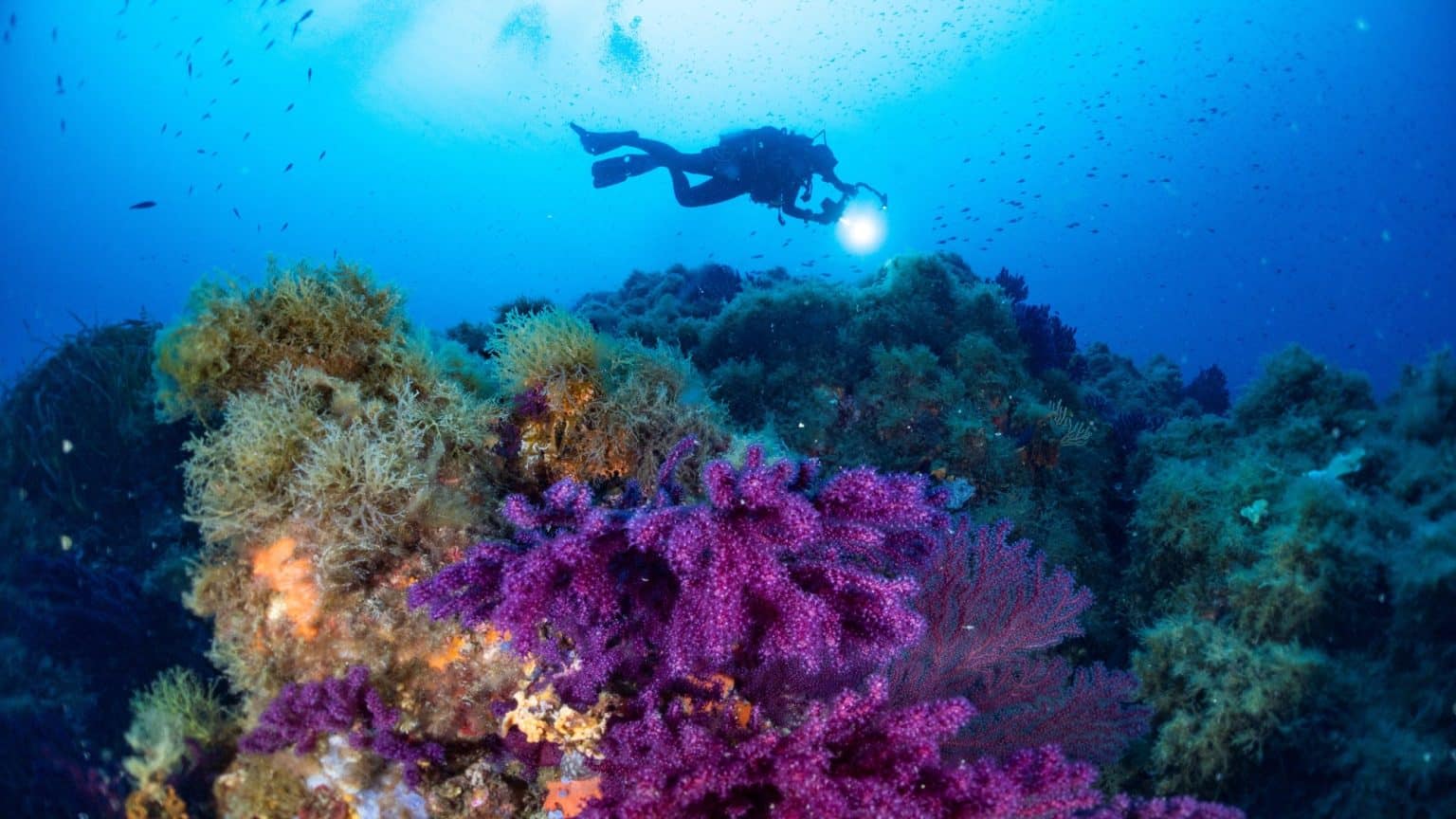
Mediterranean marine and coastal ecosystems are increasingly affected by the impacts of Global Change (GC). A global hotspot for biodiversity and endemism, the Mediterranean Sea is particularly vulnerable due to cumulative anthropogenic pressures. The north-western Mediterranean, including the French coastline, is characterised by relatively colder surface temperatures, but also by strong pressures linked to tourism, coastal urbanisation, wastewater discharges and recurrent mass mortality events associated with marine heatwaves. At different levels of governance, various public policies aim to regulate human activities in order to achieve or maintain good ecological status, notably through monitoring networks, standardised protocols and ecological indicators. In this context, the ecosystem approach (EA), promoted by the European Union's Marine Strategy Framework Directive and the Barcelona Convention, proposes an integrated framework for sustainable management based on the functioning of ecosystems and the services they provide, rather than a species-centred approach. Chapter 1 of this thesis illustrates several major consequences of the GC: the establishment of thermophilic fish species along the French coastline, the trajectories of species introduction into the Etang de Berre, the retreat of the lower limit of Posidonia oceanica meadows and the massive flowering of this species, unprecedented on the scale of the Mediterranean basin, following the exceptional marine heatwaves in the summer of 2022. These results reveal an intensification of the consequences of ocean warming, posing major management challenges on an ecosystem scale. Chapter 2 explores the operational implementation of AE through the development of ecosystem quality indices (EBQIs) applied to emblematic ecosystems such as coralligenous and coastal detrital beds. The reef-EBQI has been deployed throughout the French Mediterranean to assess the ecological status of subtidal rocky reefs. Its adoption by managers of marine protected areas demonstrates the value of EBQIs as management support tools on different scales. A case study in the Hyères salt marshes also illustrates the application of EA to improve water circulation while preserving ecosystem compartments with a high heritage value. The general discussion highlights the contrasting thermal gradients and ecological trajectories between Mediterranean ecoregions, while underlining the existence of specific local dynamics. This thesis demonstrates the relevance of EBQIs and AE for monitoring coastal marine ecosystems and proposes a multi-ecosystem model integrating the main functional connections. Finally, the potential role of active restoration, illustrated by the Posidonia meadow, is discussed as a complementary tool to conservation. All in all, the book highlights the urgent need to step up applied and multidisciplinary research to support the implementation of the ecosystem approach to GC in the Mediterranean.
Keywords
Ecosystem approach, Global change, Posidonia oceanica, Coralligenous species, Sea warming, Non-indigenous species