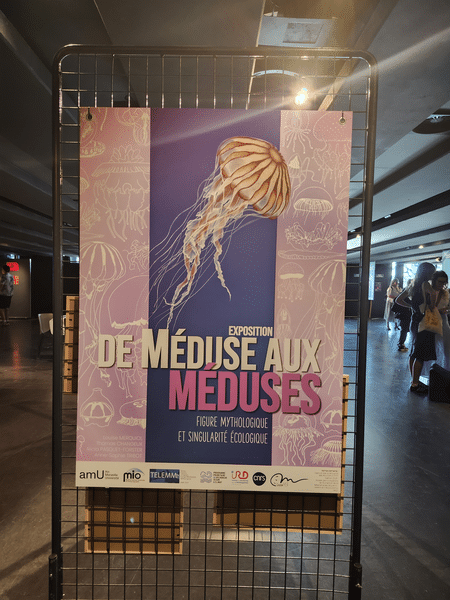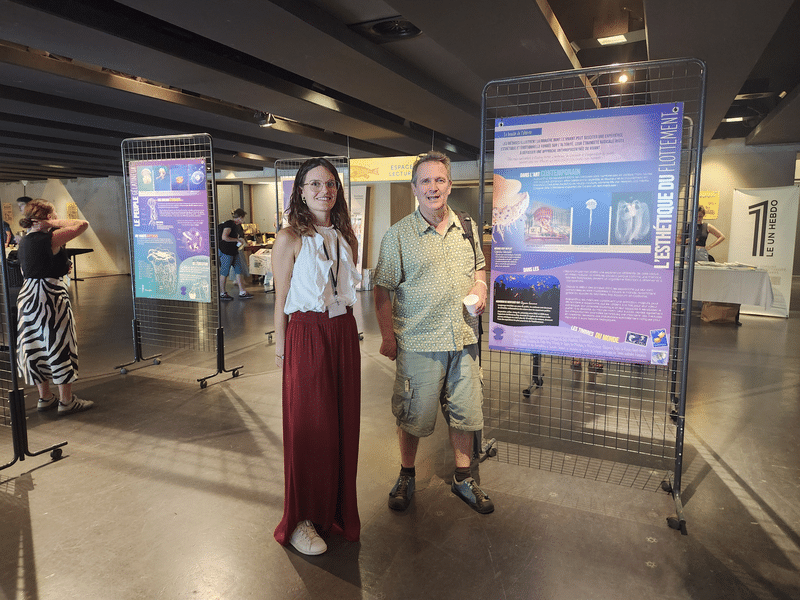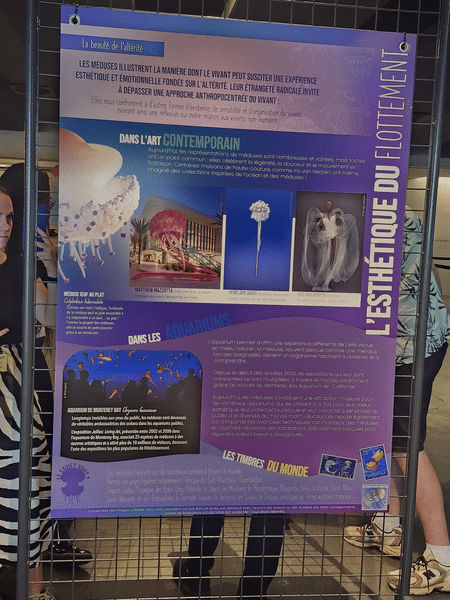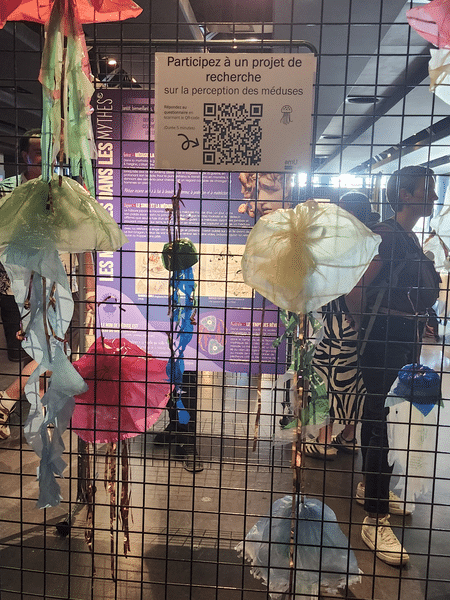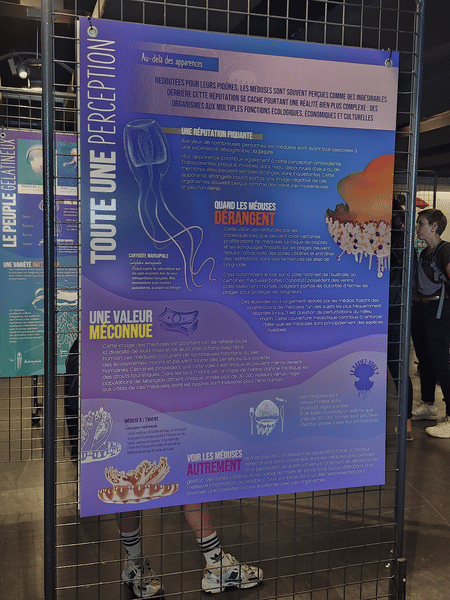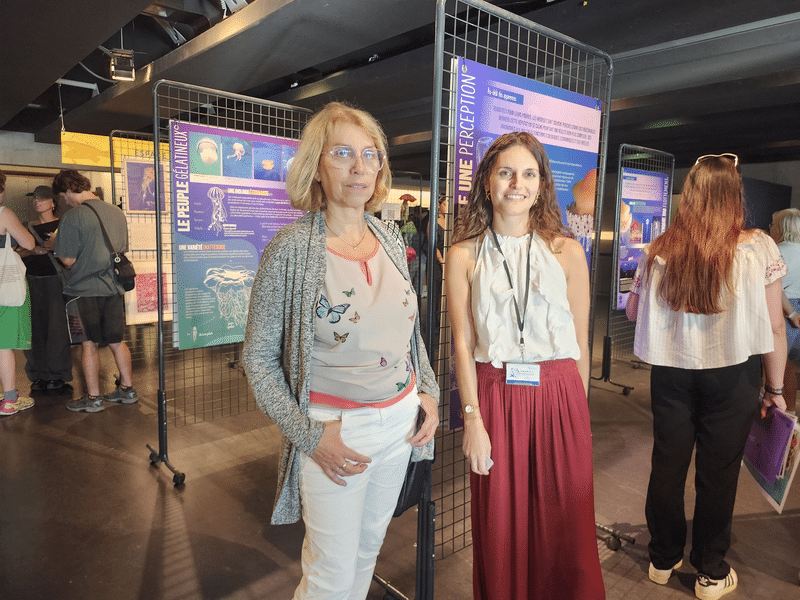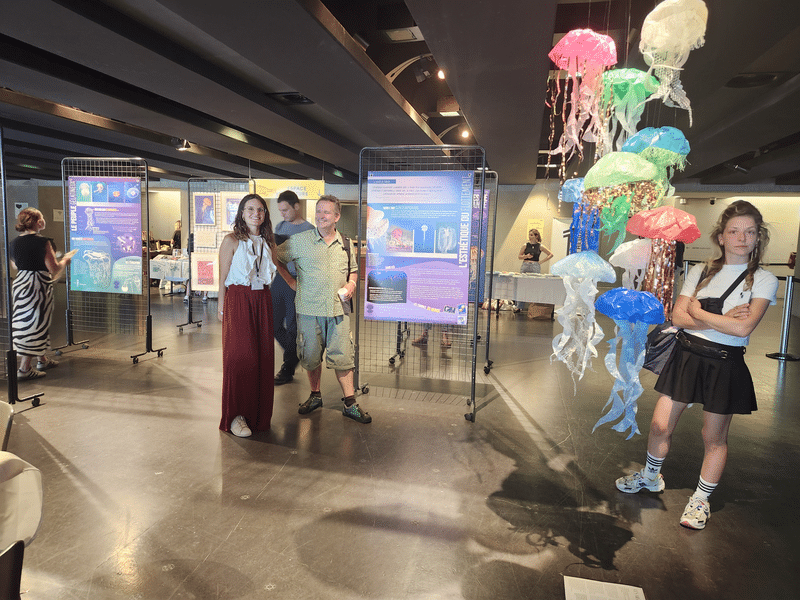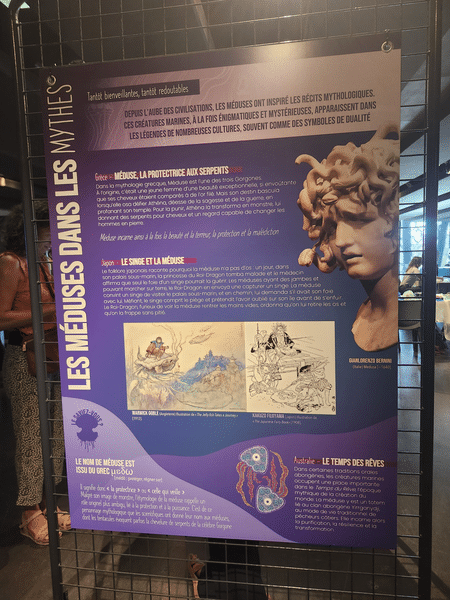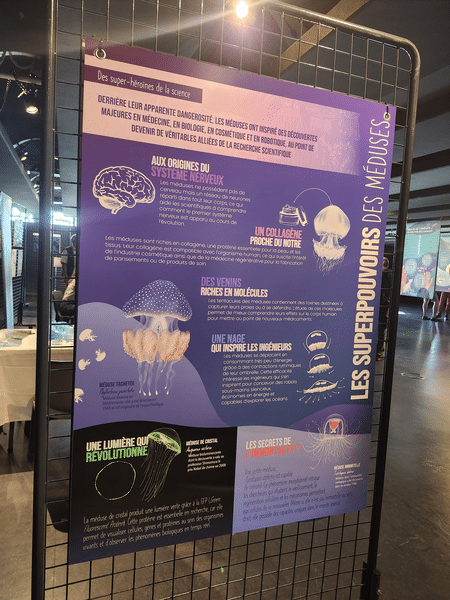




To mark the Aix-Marseille University’s 2026 Interdisciplinary Science and Arts Festival on the theme " Humans and Animals. A shared adventure? », our colleagues Louise Merquiol (postdoctoral artist, MIO), Anne-Sophie Tribot (ecologist, TELEMMe), Alicia Pasquet-Forster (PhD student in social and environmental psychology) and Thomas Changeux (hydrobiologist, MIO) gave a presentation on 17 and 18 September this year at the MUCEM Forum, an immersive exhibition tracing the evolution of representations of jellyfish, from mythological tales to contemporary scientific, artistic and ecological perspectives, entitled: From Medusa to jellyfish: from a mythological figure to an ecological symbol.
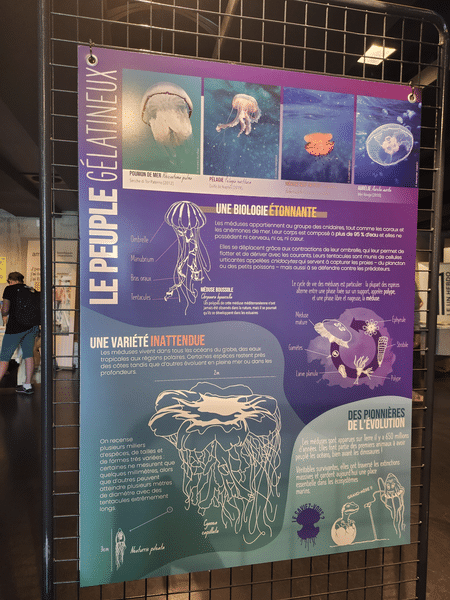
Long associated with the mythological figure of Medusa, jellyfish evoke both fascination and revulsion. Their gelatinous appearance, their stinging power and their strange beauty have fuelled tales in which they symbolise danger, otherness or elusive natural forces. Through these representations, they reveal as much about our relationship with the marine world as they do about the way we perceive, understand and imagine living things.
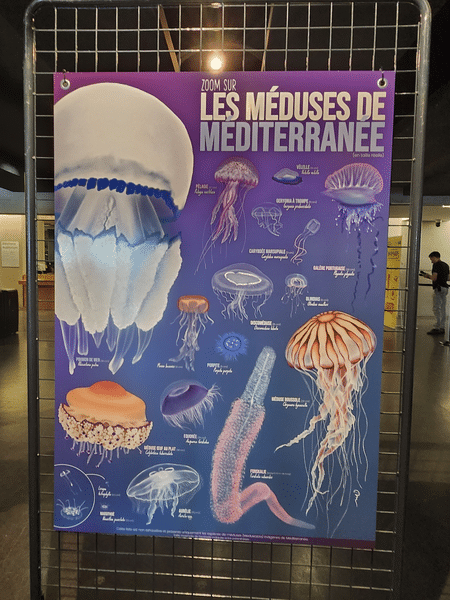
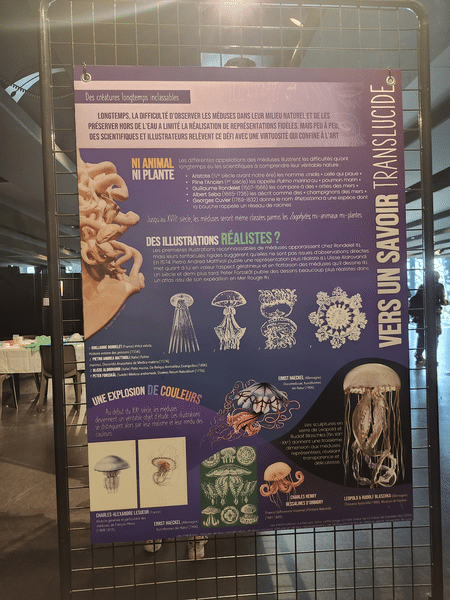
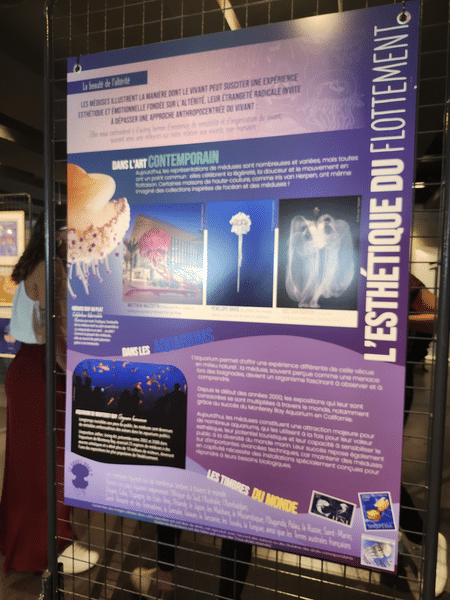
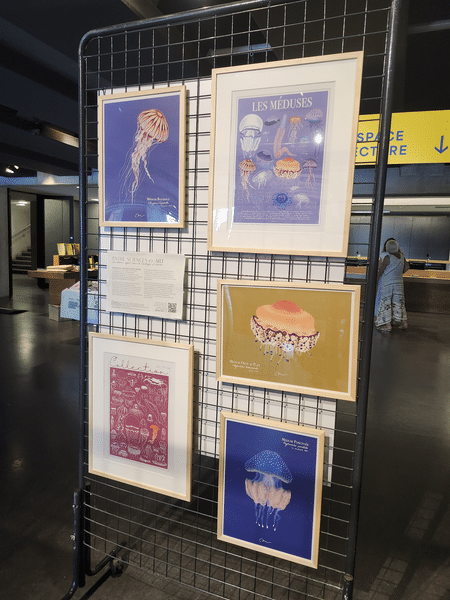
Organised in chronological order, this exhibition brings together naturalist illustrations, scientific studies and visual artworks to show how perceptions of these organisms have changed over time.
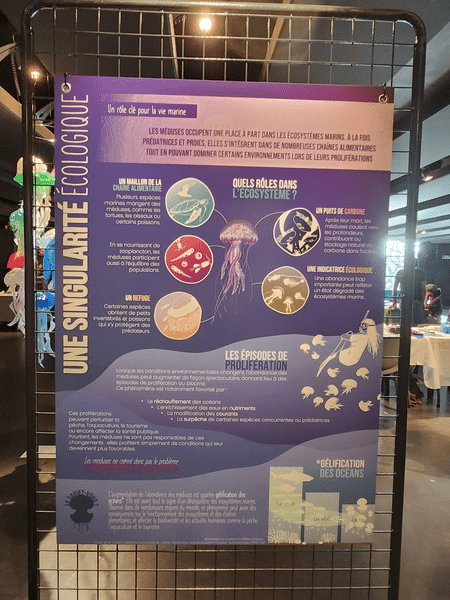
The installation also encouraged visitors to reflect on current environmental issues. Often presented as «symptoms» of global change, jellyfish are linked to global warming, overfishing and the degradation of marine ecosystems. Yet, having inhabited the oceans for over 650 million years, they too are affected by these upheavals, which prompts us to take a more nuanced view.
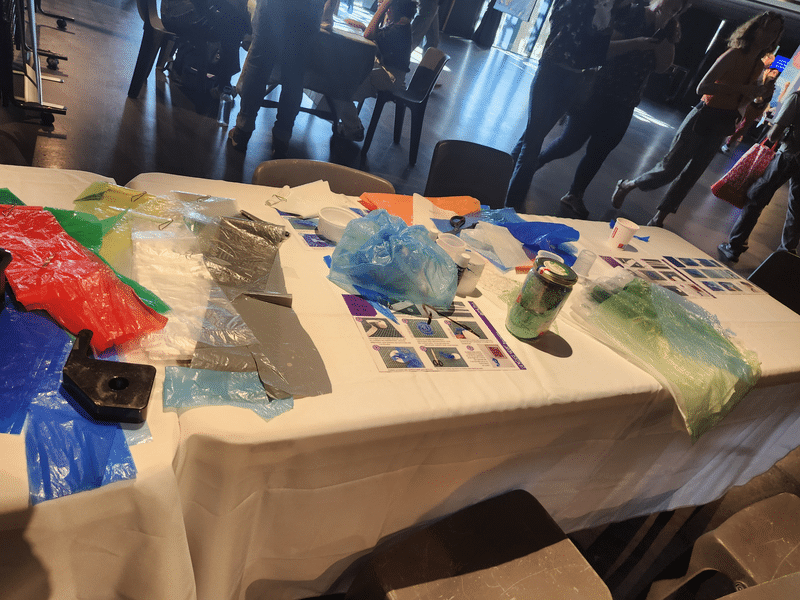
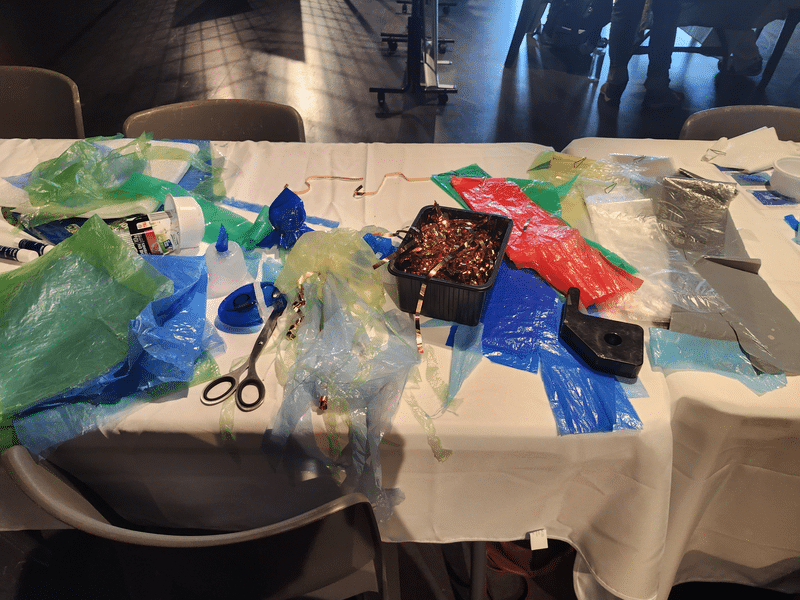
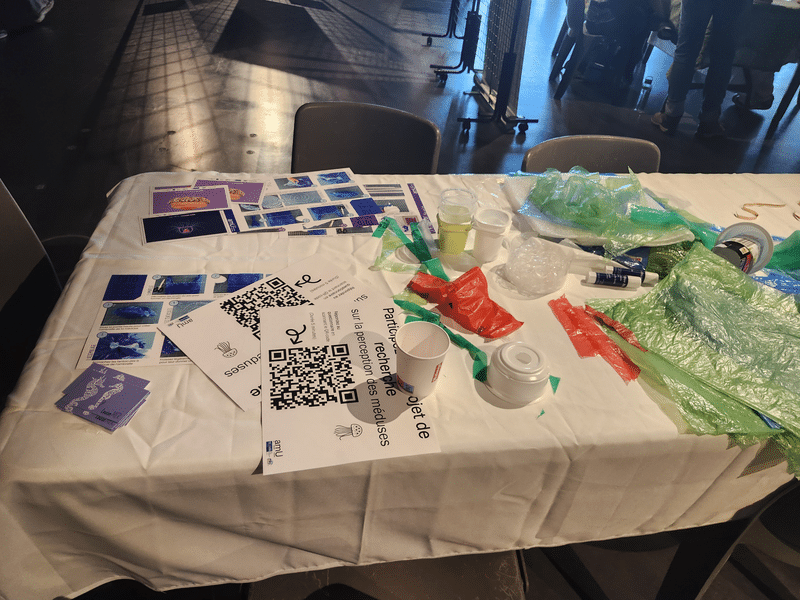
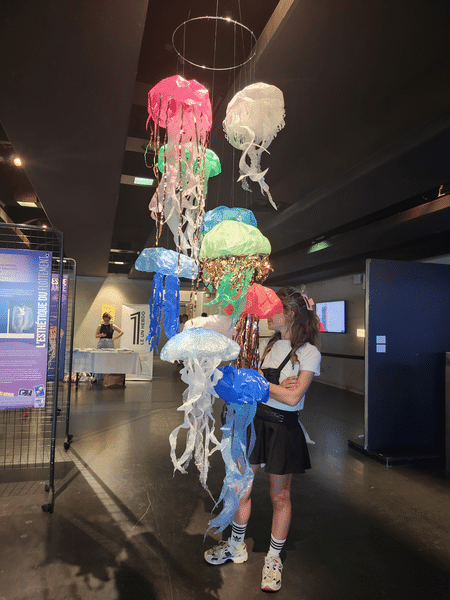
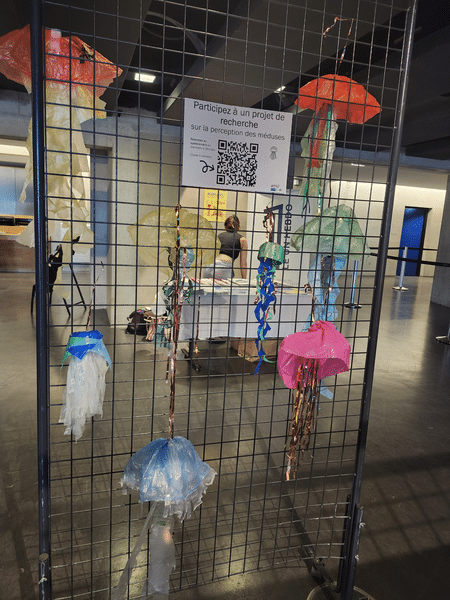
A participatory element rounded off the exhibition: visitors were invited to create their own jellyfish using recycled materials, as a way of exploring, through artistic practice, the emotions, imaginations and perceptions that these organisms evoke.
By bringing together environmental history, the arts and marine ecology, this project invited us to rethink the place of jellyfish in our collective imagination and our relationship with the oceans.
A resounding success!