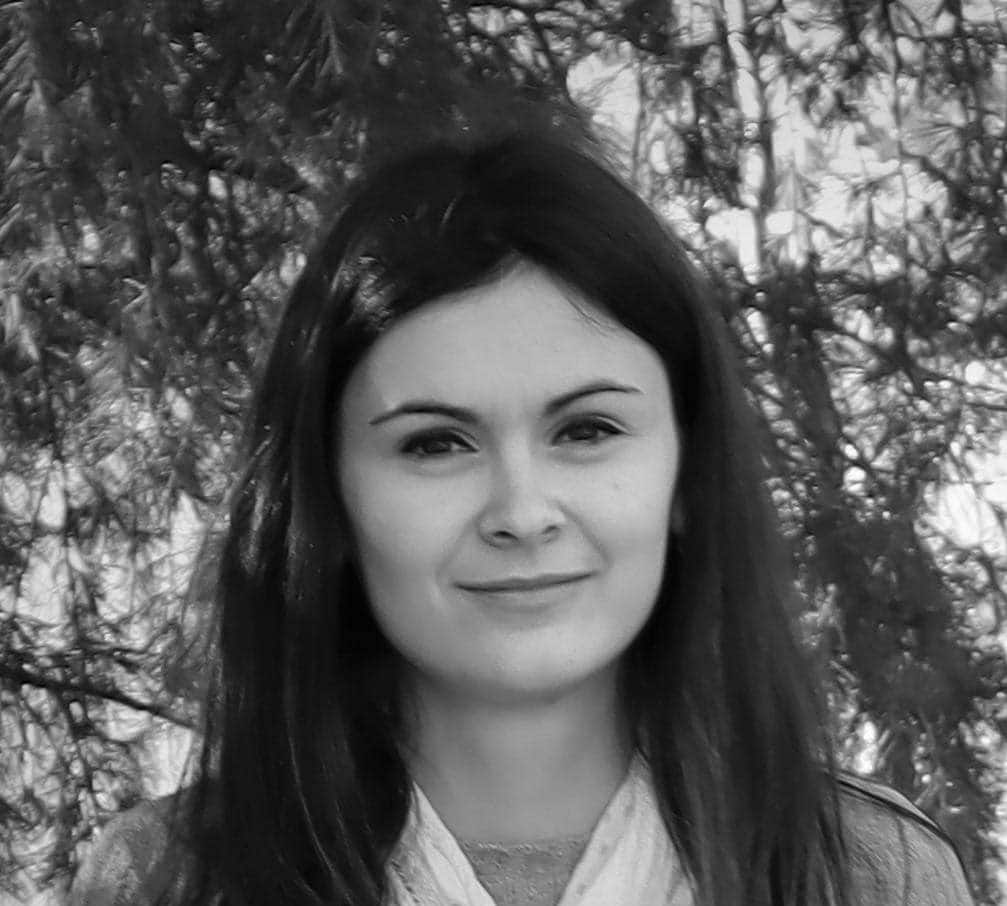



Lauralie Callens defended his thesis on Friday 19 December 2025 at the OCEANOMED Amphitheatre on the following topic: Impact of human activities on the marine environment: metallic contamination in the Mediterranean Sea and communication interfaces.
Video link coming soon
Members of the Jury
- Nathalie VIGIER (D.R CNRS - LOV) Rapporteur
- Sylvain RIGAUD (M.C.F - University of Nîmes) Rapporteur
- Nicolas MARMIER (Pr. - Université Côte d'Azur) Examiner
- Christophe BRACH-PAPA (Researcher - Ifremer La Seyne sur Mer) Examiner
- Stéphanie JACQUET (C.R CNRS - MIO) Thesis supervisor
- Brigitte JUANALS (Pr. AMU - CNE) Thesis co-director
Abstract
Since the 1960s, the Gardanne alumina plant has been discharging industrial effluent into the Mediterranean Sea. Initially made up of solid residues rich in metals and soda, this discharge was due to cease on 31 December 2015, in line with changes in environmental standards. However, the company was unable to comply with certain regulatory thresholds for six parameters (concentrations of Al, As and Fe, pH, BOD5 and COD) within the deadline, and obtained a six-year exemption to continue with liquid discharge. This authorisation was hotly contested, giving rise to an environmental controversy, reinforced by the invisible nature of the discharges at a depth of 324m. Against this backdrop, this thesis adopts a dual approach combining marine chemistry and information and communication sciences. On the one hand, it analyses the distribution and evolution of metallic contaminants (MMTE) in the effluent, the plume and the water column, based on monitoring carried out between 2016 and 2024. On the other hand, it examines the circulation of scientific information in advisory and monitoring systems and among civil society, as well as the place given to data and scientists in these communication processes. This interdisciplinary approach reveals a localised impact of the discharge, a significant reduction in concentrations and discrepancies between the data produced and that disseminated. Finally, by combining these two fields, we are able to propose avenues of research for the co-writing of marine chemistry results with the stakeholders concerned, in order to improve the accessibility, readability and appropriation of environmental data in line with the expectations and needs expressed by the information and communication sciences.