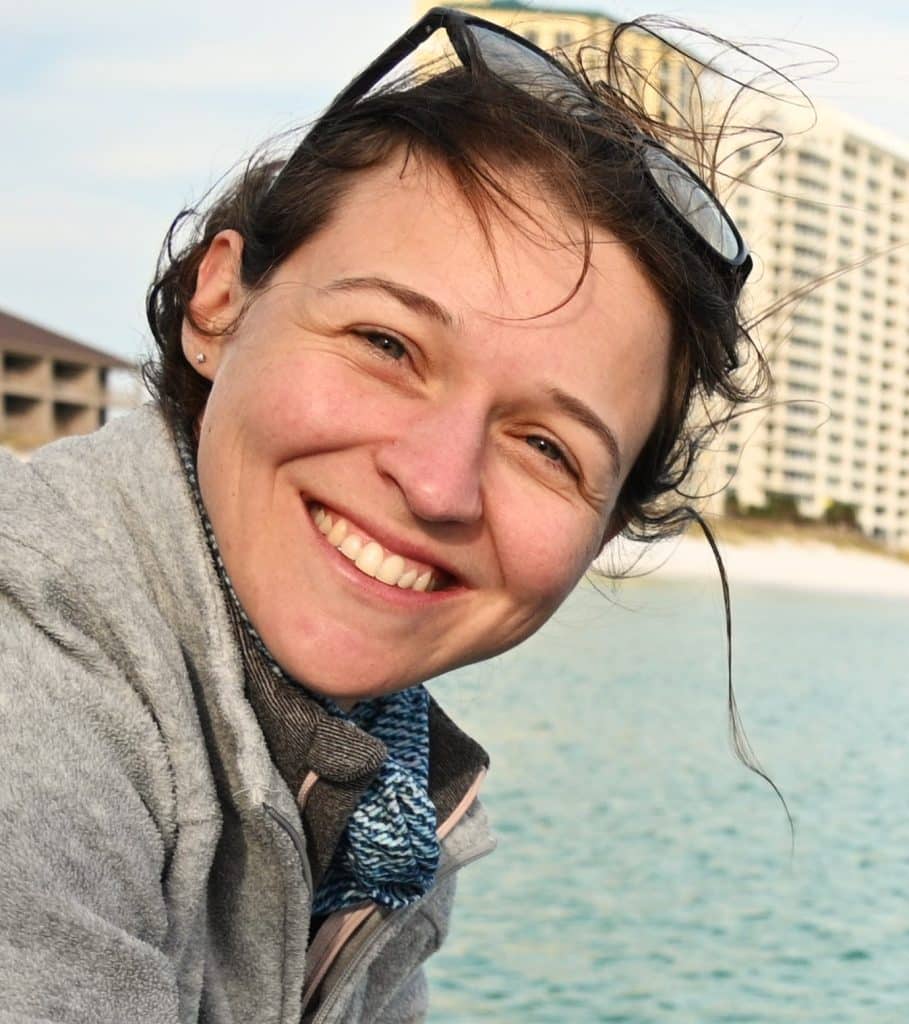




Atlantine Boggio-Pasqua (MIO) soutiendra sa thèse de doctorat le wednesday 27 may 2026 à 9h00 à l’Amphitéâtre Oceanomed, MIO Institut Méditerranéen d’Océanologie, Bâtiment Méditerranée, 163 avenue de Luminy, 13288 Marseille cedex 09, sur le sujet suivant : Biologie et écologie spatiale de la mante diable pygmée de l’Atlantique (Mobula hypostoma) : une approche intégrative multi-échelles pour sa conservation.
Suivre la soutenance en visioconférence : Zoom link
Abstract
The Atlantic pygmy devil ray (Mobula hypostoma) is an endangered planktivorous ray for which knowledge of its ecology, biology, and population structure and size remains limited. To support effective management across its Atlantic range, this thesis provides the first integrative assessment of the species' taxonomy, distribution, population structure, and spatial ecology.
These questions were addressed across multiple scales by combining morphological data, genomic analyses, acoustic and satellite telemetry, trophic ecology approaches, species distribution modeling, and long-term observational datasets. The species was found to occupy a broad environmental niche primarily associated with neritic waters, exploiting a wide range of coastal and continental shelf habitats structured by dynamic productivity patterns. In the northeastern Gulf of Mexico, this ecological flexibility was reflected in the recurrent use of shallow coastal habitats, where juveniles and subadults aggregate seasonally to exploit dense mysid shrimp swarms, particularly Metamysidopsis swifti.
Movement data further revealed that M. hypostoma is highly mobile within coastal and shelf environments, supporting regional connectivity across the northern Gulf of Mexico. Ontogenetic patterns indicated increasing horizontal mobility with body size and larger individuals less frequently observed in shallow coastal habitats, suggesting a shift in habitat use across life stages. At the population scale, genomic analyses revealed strong genetic differentiation between eastern and western Atlantic populations, supporting the recognition of distinct management units, while no clear structure was detected within the western Atlantic.
Multiple complementary approaches converged to identify the Gulf of Mexico as a key region for the species, potentially supporting the most robust known population.
These findings provide a robust scientific basis for conservation and management of the species. The designation of a neotype, detailed morphological characterization, and the establishment of a size-weight relationship improve species identification and the interpretation of fisheries records. The feeding aggregation identified and characterized in this thesis, a migration corridor, and a putative nursery area, could be soon recognized as Important Shark and Ray Areas (ISRAs) in the Gulf of Mexico. In contrast, the scarcity of observations in the eastern Atlantic, despite historical records and increasing monitoring efforts, underscores the species’ vulnerability to overexploitation and the urgent need for targeted research and conservation in the region. Despite the achieved advances, key uncertainties remain regarding the frequency and impact of fisheries interactions, as well as life history traits such as age, growth, and fecundity.
Overall, this thesis demonstrates how integrating complementary approaches across disciplines and scales can substantially improve ecological understanding and inform conservation strategies for threatened data-poor marine species.
Key words
Mobula, biologie de la conservation, télémétrie acoustique, écologie trophique, écologie spatiale, génomique des populations
Composition of the jury
- M. Frédéric MENARD, Directeur de recherche IRD – MIO, Directeur de thèse,
- M. François LE LOC’H, Directeur de recherche IRD – LEMAR, Rapporteur,
- M. Johann MOURIER, Chaire de professeur junior, Université de Montpellier, Rapporteur,
- Mme Frédérique VIARD, Directrice de recherche CNRS – ISEM, Examinatrice,
- Mme Lydie COUTURIER, Chargée de recherche France Energies Marines, Examinatrice,
- Mme Valérie MICHOTEY, Professeur des universités Aix-Marseille Université, Examinatrice.